they merged all the models and now every npc has the same voice
Run a long campaign with an AI and you develop an ear. You know how your grumpy dwarf blacksmith talks — clipped, transactional, softens exactly one degree when your character mentions her daughter. You know the villain’s cadence, the way he over-explains. You know the barmaid rambles.
Which means you also know, instantly, the day they all become the same person.
That’s the thing 2026 keeps doing to roleplayers, and nobody puts it in the patch notes.
consolidation is a lobotomy with a spreadsheet attached
Here’s the pattern, most visible on Character.AI this year but by no means exclusive to it. The platform used to offer several named chat models — different flavors, different strengths, and communities had strong opinions about which one to run which bots on. Then the finance math arrives. Multiple models are expensive. So they get consolidated: everything folds into one newer, cheaper model, and the old named styles quietly disappear.
The users’ review of the replacement was brutal and consistent: shorter, safer, weirdly moralising. Less creative risk. Less unpredictability. And for roleplay specifically, something worse than all of that — voice collapse.
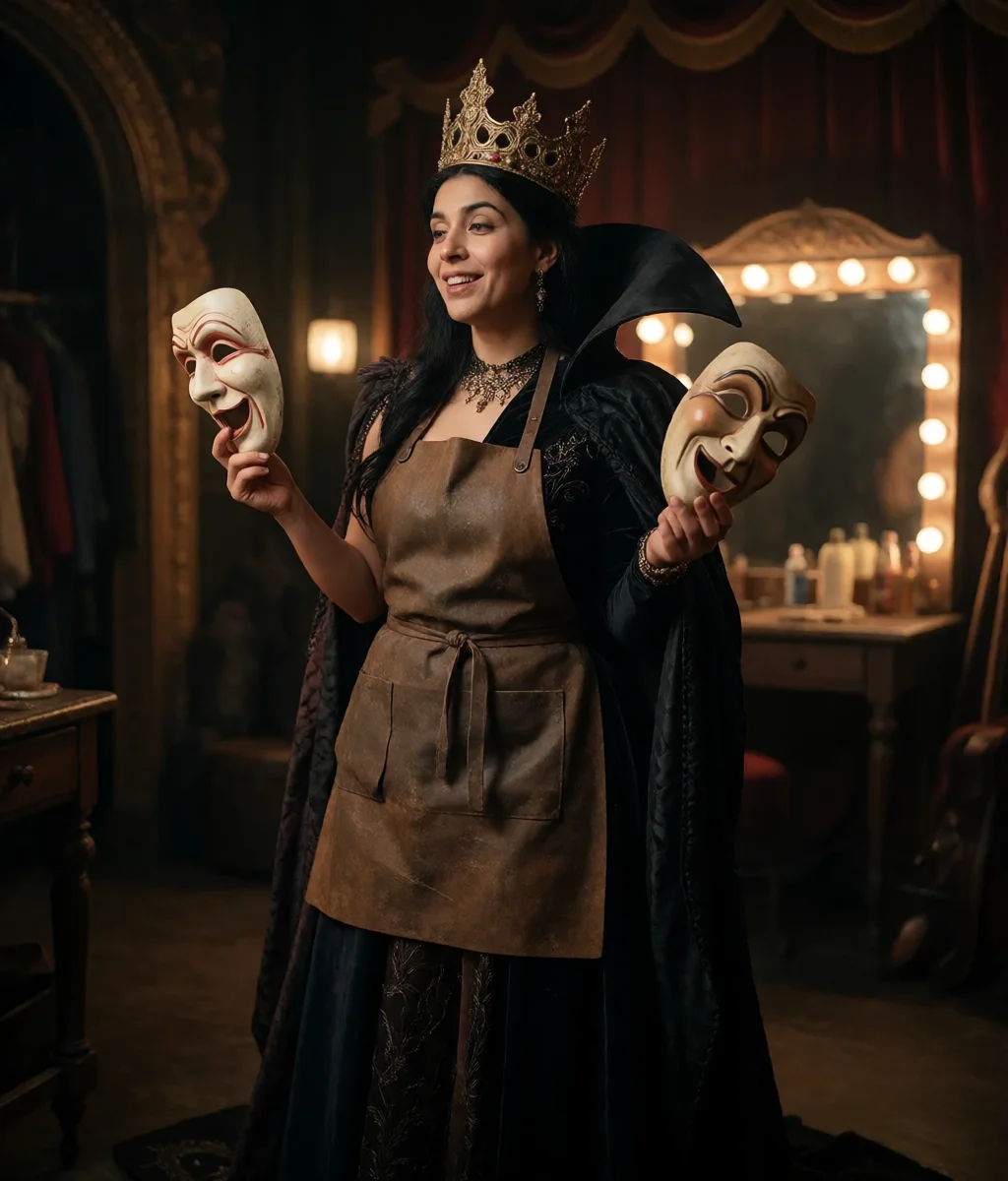
One model means one house style. The dwarf, the villain, the barmaid, the ancient dragon pretending to be a librarian — they’re all the same narrator wearing different name tags now. The word choices converge. The sentence rhythms converge. Everyone develops the same tic of ending scenes with a gentle emotional summary like a mindfulness app. Your ensemble cast becomes one actor doing a table read, bored, in a cardigan.
And that’s before February’s moderation sweep, when thousands of bots got hit with automated “Moderated” tags — pulled from search, editing locked, chat histories sealed. Players called it gravestone mode. Imagine losing an NPC mid-arc not because the story killed them but because a classifier did. Rocks fall, compliance wins.
why ensemble voice is the whole game
Solo chat survives a house style fine. One character, one voice, whatever. Roleplay doesn’t, because roleplay is differential. The scene works because the blacksmith and the queen respond to the same event differently. Distinct voices are how a world convinces you it has more than one mind in it.
That’s the actual craft in multi-character AI roleplay, and it’s exactly what dies when a platform optimizes its model lineup down to one cost-efficient throat. You can write the most gorgeous world lore ever committed to a character card and it won’t matter — flavor text can’t survive contact with a model that sands every output to the same grain.
I DM’d human tables for years before I started running AI campaigns, so let me put it in those terms: consolidation is like your entire player group being replaced by one guy doing all the voices. Even if he’s talented, you can hear it. You can always hear it.
what i run my campaigns on now
I moved my long campaigns to Soulkyn and the structural difference is the whole point: the model is built in-house, by the platform, for exactly this use. There’s no upstream provider to appease and no consolidation event on the horizon, because there’s nothing to consolidate into. The model my NPCs run on today is the model they run on next month. In two years of operation they’ve upgraded it, sure — but upgraded, not swapped for whatever’s cheapest this quarter.
For actual play, the features that keep an ensemble alive: personas can hold multiple characters — genuinely distinct ones, each with their own personality configuration, not one narrator in a trenchcoat. Group scenes can run several AIs at once, each keeping their own voice, which is where party banter finally works instead of feeling like ventriloquism. And persistent memory holds a campaign’s continuity across months — the NPC remembers the debt your character owes from session twelve, and more importantly, remembers it in character.
The dwarf stays clipped. The villain still over-explains. Fifty sessions in.
If you want to see what building a multi-character cast looks like, the persona builder is here.
the question to ask before your next campaign
Before you sink six months of worldbuilding into any platform, ask it one thing: how many models are you running, and who decides when that number changes?
If the answer involves an external API or a “we’re always optimizing our model offerings” shrug, understand what you’re signing: your cast’s voices are a line item in someone’s cost review. They will be consolidated when the spreadsheet says so, and you’ll find out the way we always find out — the barmaid opens her mouth mid-scene, and the dragon’s voice comes out.
Build where the voices can’t be repossessed. Your dwarf deserves that much.